
Why Do Gums Bleed? Causes and When to Act
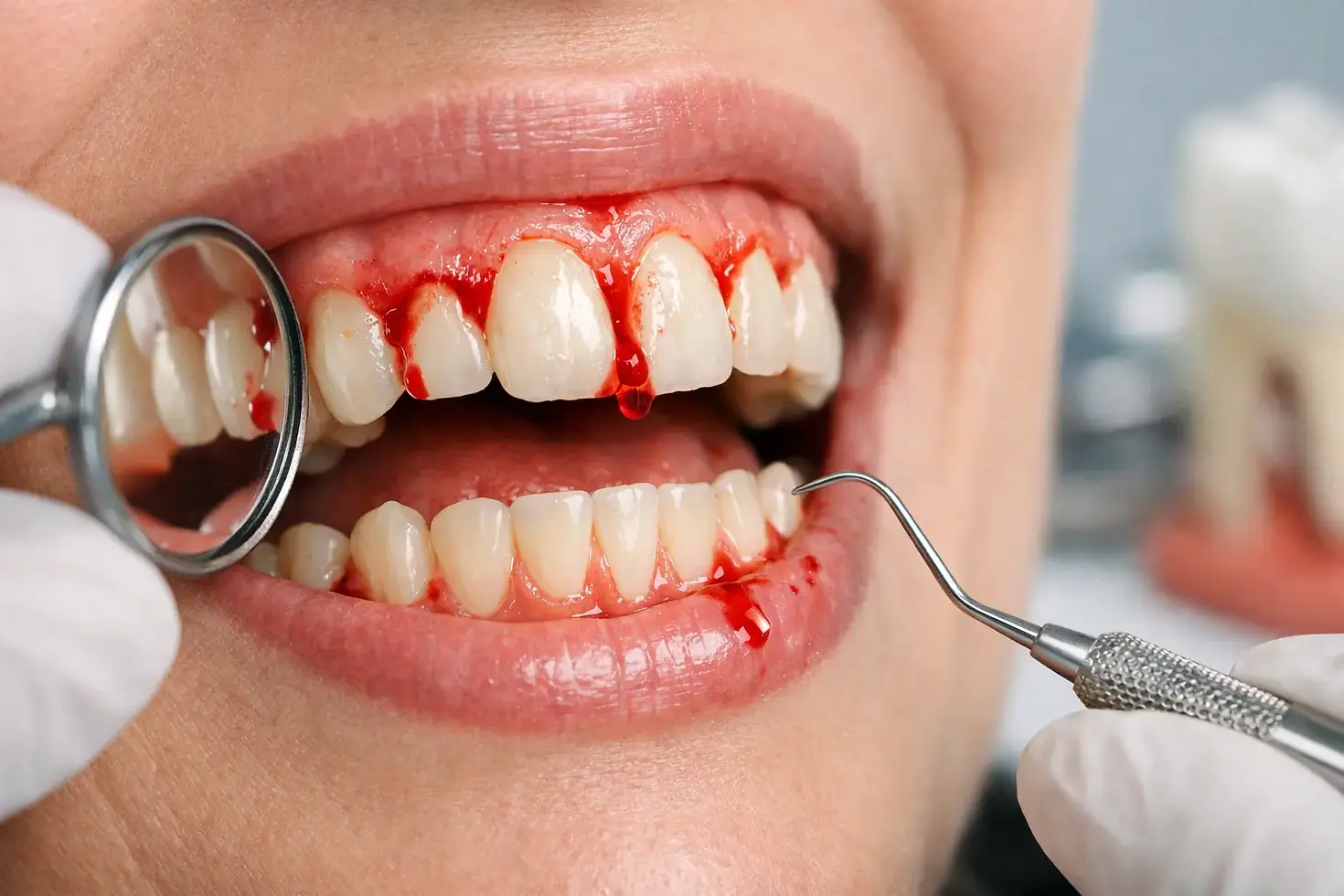
Seeing pink in the sink after brushing can be unsettling, especially when there is no pain. So, why do gums bleed? In many cases, bleeding is an early sign that plaque has irritated the gums. It is common, treatable, and worth addressing early because healthy gums should not bleed during normal brushing or flossing.
A small amount of bleeding does not always mean an emergency, but it should not be ignored or accepted as normal. The right next step depends on how often it happens, whether your gums are swollen or sore, and whether other symptoms are present.
Why Do Gums Bleed During Brushing or Flossing?
The most common cause is gingivitis, the earliest stage of gum disease. A sticky bacterial film called plaque gathers along the gumline every day. When it is not removed thoroughly, it can cause inflammation. The gums may become red, tender, puffy, and more likely to bleed when touched by a toothbrush or floss.
Gingivitis can often be reversed with professional cleaning and consistent home care. If plaque hardens into tartar, however, brushing alone cannot remove it. Tartar creates a rough surface where more bacteria can collect, allowing inflammation to continue beneath the gumline.
Bleeding can also happen when someone starts flossing after a long break. The gums may be inflamed already, so they bleed when plaque between the teeth is disturbed. This is not a reason to stop flossing. With gentle daily flossing and correct brushing, bleeding should begin to improve within a week or two. If it does not, a dental examination is needed.
Common Reasons for Bleeding Gums
Gum inflammation is the leading explanation, but it is not the only one. A dentist considers your oral hygiene routine, overall health, medications, and the pattern of bleeding before recommending care.
Plaque and tartar buildup
Plaque can accumulate even in people who brush twice a day, particularly around crowded teeth, dental bridges, fillings, braces, and the back molars. Rushing through brushing or missing the gumline leaves bacteria behind. A professional teeth cleaning removes hardened tartar and gives your gums a chance to heal.
Brushing too hard or using the wrong toothbrush
A hard toothbrush or aggressive scrubbing can injure gum tissue. The goal is not to scrub harder but to clean more carefully. Choose a soft-bristled toothbrush and use small, gentle motions angled toward the gumline. Electric toothbrushes can be helpful for some patients because they provide consistent movement and may include pressure alerts.
Incorrect flossing technique
Floss that snaps down suddenly can cut the gums. Instead, guide it gently between the teeth, curve it into a C shape around one tooth, and move it up and down before repeating on the neighboring tooth. If tight contacts make string floss difficult, your dentist can suggest alternatives that suit your teeth and restorations.
Hormonal changes
Pregnancy, puberty, menstrual cycles, and menopause can make gums more sensitive to plaque. During pregnancy, some people notice swelling and bleeding even when their routine has not changed. Regular dental care remains valuable during this period, and your dentist can tailor treatment appropriately.
Medications and medical conditions
Blood-thinning medications can make bleeding more noticeable, while some medications may contribute to gum enlargement or dry mouth. Conditions such as diabetes can also affect the body's ability to manage gum inflammation and heal effectively.
Do not stop or change a prescribed medication because your gums are bleeding. Tell your dentist and physician about the symptom so they can coordinate advice when needed. Less commonly, frequent gum bleeding may be connected to a vitamin deficiency or a blood-related health concern, particularly when it occurs with unusual bruising, nosebleeds, fatigue, or bleeding elsewhere.
Tobacco use and vaping
Smoking and other tobacco use increase the risk of gum disease and can mask a warning sign by reducing visible bleeding. When a person quits, gums may bleed more at first as circulation improves. That does not mean quitting has caused gum disease. It is a good time to schedule a cleaning and gum assessment.
When Bleeding Gums May Signal Gum Disease
Untreated gingivitis can progress to periodontitis, a more serious form of gum disease. The infection and inflammation can affect the tissues and bone that hold teeth in place. Unlike early gingivitis, damage from periodontitis cannot always be fully reversed, although it can be managed with timely treatment.
Arrange a dental visit soon if bleeding is persistent or accompanied by bad breath that does not improve, gum recession, pus around the gums, loose teeth, spaces developing between teeth, pain when chewing, or a change in how your bite feels. These signs do not confirm a diagnosis on their own, but they deserve professional attention.
A dental examination may include measuring the spaces between the teeth and gums, checking for tartar, reviewing X-rays when appropriate, and discussing medical history. This helps your dentist identify whether you need a routine cleaning, deeper gum treatment, or care for another issue such as a cracked filling or poorly fitting restoration.
What to Do if Your Gums Are Bleeding
Start by improving your daily routine without being rough on your gums. Brush for two full minutes twice a day with fluoride toothpaste and a soft brush. Clean between your teeth once daily using floss or another dentist-recommended tool. Pay attention to the gumline, where plaque tends to stay hidden.
Avoid repeatedly checking the area by poking it or brushing harder. That can worsen irritation. A warm saltwater rinse may feel soothing for temporary tenderness, but it does not remove plaque or replace treatment.
If you have not had a cleaning recently, booking one is usually the most practical step. Professional cleaning is especially helpful when tartar has formed or bleeding continues despite better brushing and flossing. Your dentist can also show you exactly where plaque is collecting and adjust your technique without judgment.
For families, it helps to make gum care part of routine preventive visits rather than waiting for pain. Children and teens with braces may need extra guidance because brackets and wires create more places for plaque to collect. Adults with crowns, implants, bridges, or dentures also benefit from cleaning methods designed for their dental work.
When to Seek Urgent Dental or Medical Care
Most bleeding gums can be assessed through a regular dental appointment, but some situations need faster attention. Seek urgent professional advice if bleeding is heavy, does not stop after applying gentle pressure with clean gauze, follows a mouth injury, or occurs after a recent dental procedure and is getting worse.
You should also seek prompt medical evaluation if gum bleeding comes with severe weakness, dizziness, widespread unexplained bruising, black stools, or other unusual bleeding. These symptoms may point beyond a dental concern.
For persistent gum bleeding in Dubai, a visit with experienced DHA-licensed dentists can provide clear answers and practical treatment options. Net Dental Clinic can assess the health of your gums, remove plaque and tartar safely, and create a care plan that fits your needs, schedule, and budget.
Healthy gums are usually firm, comfortable, and free from bleeding when you brush or floss. Treat the first signs as a useful signal from your body, not something to hide or work around. A gentle daily routine and timely professional care can protect your gums long before a small spot of blood becomes a bigger dental problem.


Comments